Life Promotion
Honouring the life-affirming perspectives held by Indigenous communities
Life Promotion
HOPE honours and respects Indigenous approaches to Life Promotion and recognizes the importance of Indigenous knowledge, perspectives, and community leadership in promoting life and well-being.
Guided by Strengthening Our Connections to Promote Life: A Life Promotion Toolkit by Indigenous Youth, developed by the Thunderbird Partnership Foundation, HOPE is committed to learning from and partnering with Indigenous communities to support Life Promotion initiatives.
This approach recognizes that promoting life goes beyond preventing suicide. It is about strengthening connections to land, self, community, and spirituality, and supporting the relationships, identity, belonging, culture, and strengths that help individuals and communities thrive.
Through meaningful partnership, listening, and continued learning, HOPE aims to support Indigenous-led approaches that strengthen these connections and foster hope, belonging, wellness, and life.
Resources
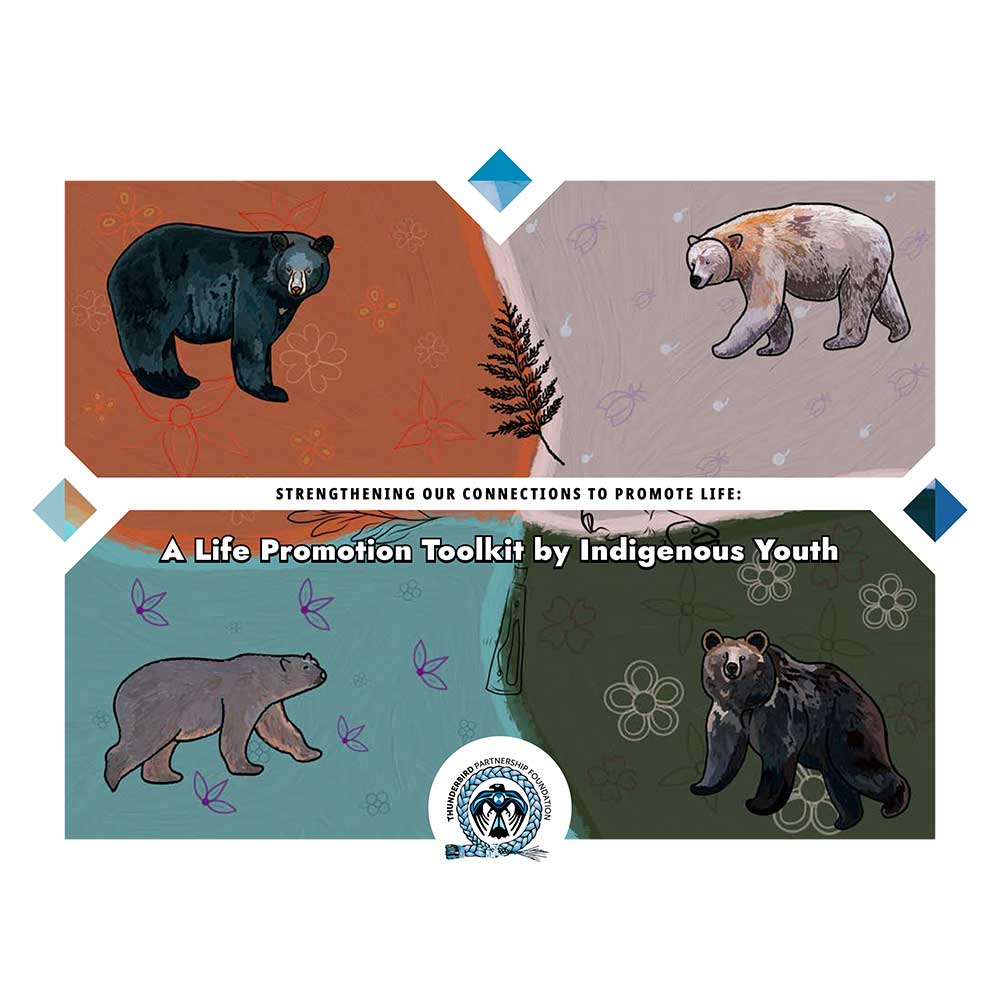
A Life Promotion Toolkit by Indigenous Youth – Thunderbird
Thunderbird’s Life Promotion Toolkit was released at the World Indigenous Suicide Prevention Conference in August 2021. The toolkit delivers what youth have long called for – information aimed at promoting life rather than focusing on preventing death.
Indigenous People, Trauma, and Suicide Prevention
First Nations, Inuit and Métis are collectively referred to as Indigenous people in Canada. Indigenous people in Canada have some of the highest suicide rates in the world, but there are also many communities that have very low rates of suicide. Historically, suicide was a very rare occurrence among First Nations and Inuit (Kirmayer, 2007). It was only after contact with Europeans and the subsequent effects of colonialism that suicide became prevalent. Intergenerational trauma is one of the primary colonial effects contributing to the elevated rate of suicide among Indigenous people.
Wise Practices for Life Promotion Indigenous Leadership for Living Life Well
This project is committed to reducing suicide and suicidal behaviour among First Nations youth by ‘leading with the language of life’ rather than relying on deficit-centred language or risk factor-based approaches.

Indigenous Hope for Wellness Help Line
1-855-242-3310 Indigenous-led wellness, training, and healing services — serving First Nations, Métis, and Inuit peoples across Canada. Hope Wellness Canada

Residential School Survivor Line
1-866-925-4419
Survivors – NCTR
Mood Disorders of MB Indigenous Programming
The Mood Disorder Association of Manitoba offers Indigenous programming and services. The online talking circle gives people a chance to offload any stress and concerns in a traditional setting. The talking circle starts with a smudge and ends with a tobacco offering. MDAM also has a Monday Morning Smudge to start the work week off in a good way with a clear mind streamed live over Facebook. MDAM also offers one on one support through a traditional lens for individuals who need a space to breathe, decompress, and be heard.

Friendship Centres of Manitoba
Friendship Centres initially emerged as gathering places for Indigenous people to come together in urban settings to meet new people in a familiar and culturally-relevant spaces. As Indigenous people were relocating from reserves, Metis communities, and remote locations, the growing Urban Indigenous population resulted in an overarching need for access to various services, such as employment and housing. During this time, Indigenous people faced difficulties access mainstream services, Friendship Centres evolved to provide programming and services in a safe and culturally reflective manner.